
The Thrill of Gambling: Understanding the Emotional High
The experience of winning at a casino is not just about the money; it’s deeply rooted in the psychological thrill it provides. When players engage in gambling, the anticipation of a potential win triggers the brain’s reward system, releasing dopamine—a neurotransmitter associated with pleasure and satisfaction. This rush can create a powerful emotional high that keeps players returning for more, often leading to risky behaviors and best online casino canada gambling addiction.
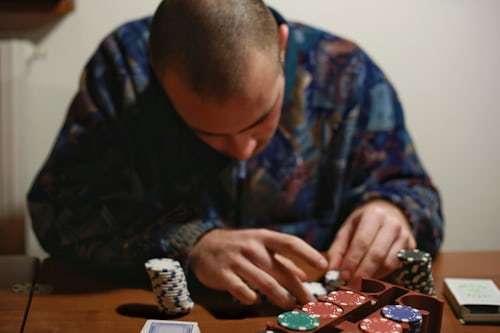
Moreover, the environment of a casino amplifies this emotional excitement. The bright lights, sounds of spinning reels, and cheers from other players contribute to a euphoric atmosphere that heightens the senses. This sensory overload reinforces the feelings of joy and excitement, making players more likely to take risks in the hopes of experiencing that thrill again.
The Role of Superstitions and Beliefs
Superstitions play a significant role in the psychology of casino gambling. Many gamblers believe in lucky charms or rituals that they think can influence the odds in their favor. For instance, some players might wear certain clothes or perform specific actions before placing their bets, believing these practices will yield success. This reliance on superstitions can psychologically boost their confidence, making them more willing to gamble larger sums.
This behavior also ties into the concept of cognitive bias, where individuals interpret outcomes in a way that reinforces their beliefs. A player who wins after following a particular ritual may attribute their success to that action rather than sheer chance. This mindset can perpetuate ongoing gambling behavior, as players seek to replicate previous successes through these superstitions.
The Illusion of Control
Another fascinating aspect of gambling psychology is the illusion of control. Gamblers often believe they have the ability to influence the outcomes of games, especially in skill-based scenarios such as poker. This misconception can lead players to engage more frequently, as they feel empowered by their supposed skills and decision-making abilities.
However, this belief can be misleading, as many casino games are purely based on chance. The psychological effect of feeling in control can lead to increased betting and riskier behaviors. When players go on a winning streak, their sense of control can be reinforced, creating a cycle of risk-taking that can be hard to break.
The Social Dynamics of Gambling
Gambling is often a social activity, and the presence of others can significantly impact an individual’s behavior. The camaraderie among players can enhance the overall experience, as shared excitement and competition foster a sense of belonging. This social interaction can lead to increased wagering, as players may feel encouraged by their peers to take risks.
In addition, when players lose, the collective support can provide a buffer against the feelings of regret or frustration. This social dynamic can create a unique environment where players are more likely to gamble than when they are alone, further blurring the lines between casual enjoyment and compulsive behavior.
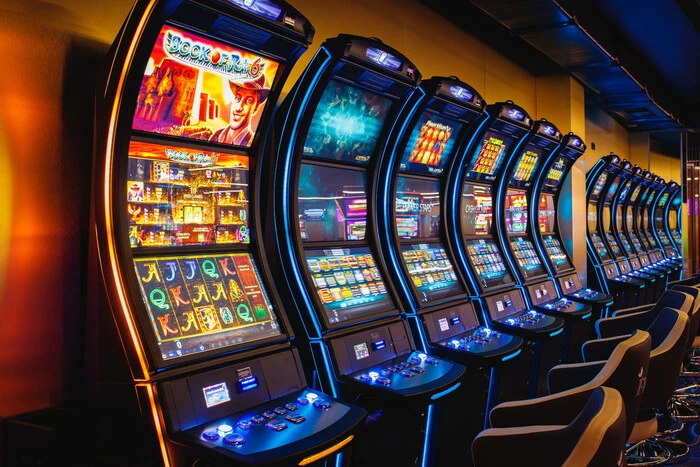
Creating a Safe Online Gambling Environment
In the digital age, online casinos have become increasingly popular, bringing the excitement of gambling directly to players’ homes. However, with this convenience comes the responsibility to ensure a secure online experience. Websites must implement strict access controls to protect sensitive information and provide a safe environment for their users.
It’s essential for online gambling platforms to maintain transparency and offer support to users encountering issues, such as a ‘403 – Forbidden’ error, which indicates restricted access to certain areas of the site. By prioritizing security and user assistance, these platforms can help create a safer and more enjoyable gambling experience for their players, allowing them to focus on the thrill of the game without compromising their safety.
